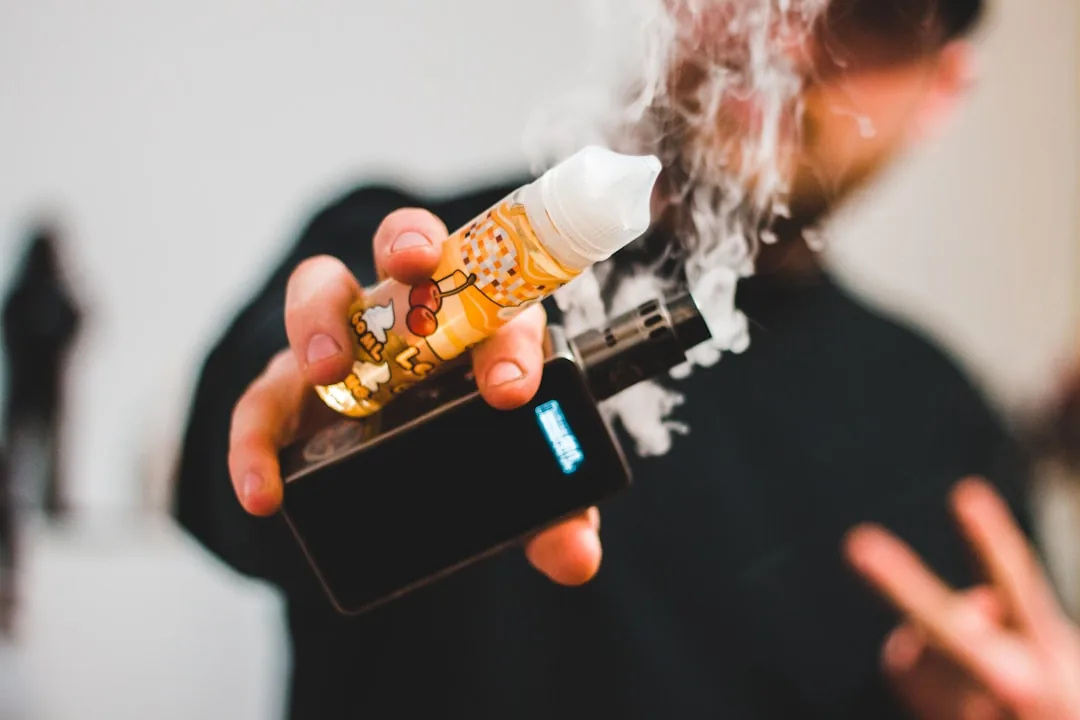
Making DIY e-liquid at home is far more common in the UK than newcomers expect, partly because the shortfill format already has British vapers mixing without calling it that. Adding a nicotine shot to a larger bottle is mixing. Going one step further and building the flavour yourself is the same process with two extra ingredients. This guide covers what DIY e-liquid actually involves, in the format the UK market sells.
What you need to start mixing DIY e-liquid
A batch of DIY e-liquid is built from four components, and only three of them are compulsory. You need a base of propylene glycol and vegetable glycerine, one or more flavour concentrates, an empty bottle with clear graduations, and optionally a nicotine shot.
The base makes up the great majority of the finished bottle and its ratio decides how the liquid behaves. A balanced fifty fifty base suits pod kits and higher resistance coils, carrying flavour crisply and wicking well through tight wicking ports. A base weighted towards vegetable glycerine, commonly around thirty seventy, is thicker, produces more vapour and is intended for sub ohm tanks. Matching that ratio to your hardware matters more than any other single decision, and our guide on choosing a vape coil explains which side of the line your device sits on.
Concentrates are the flavourings, sold by UK mixing suppliers with a recommended percentage printed on each bottle. Start with a single fruit concentrate rather than a complex recipe, because a mix that tastes wrong tells you nothing when six variables changed at once.
Nicotine shots and how the UK format works
British regulations shape home mixing in a very specific way. Nicotine containing liquid is sold in bottles of no more than 10 ml at a maximum strength of 20 mg/ml, which is why nicotine shots exist in exactly that format and why larger bottles are sold nicotine free.
A nicotine shot is added to your mixed base to reach the strength you want. The arithmetic is simple in principle: the strength of the finished bottle depends on how much nicotine you add relative to the total volume. In practice every UK mixing supplier publishes a calculator, and using one removes the risk of a mistake that only reveals itself after you have made a large batch.
Handle nicotine with respect at every stage. Wear gloves, mix in a ventilated space, wipe spills immediately, and keep every bottle out of reach of children and pets. Label each finished bottle with the date, the recipe and the nicotine strength, because an unlabelled amber bottle in a drawer is a problem waiting to happen.
A first recipe, step by step
For a first attempt, keep the structure obvious. Choose a fifty fifty base, a single fruit concentrate at the percentage its manufacturer recommends, and a nicotine strength you already know suits you from bottled liquid.
Pour the base into the bottle first, add the nicotine shot if you are using one, then add the concentrate last so you can see exactly how much has gone in. Cap the bottle and shake it hard for around thirty seconds. Fruit mixes are often usable straight away, though most improve after a day or two standing away from light and heat. Richer profiles built on custard, tobacco or bakery concentrates genuinely need one to two weeks of steeping before they taste as intended.
Compare the result against a commercial reference you already like. Our selection of fruit e-liquids is a reasonable calibration point, because judging your own DIY e-liquid without a benchmark tends to produce steadily heavier flavouring over time.
The mistakes that spoil a batch
Overflavouring is the classic beginner error and the easiest to avoid. Past the manufacturer's recommended percentage, concentrates stop tasting stronger and start tasting harsh, and the excess gums up coils quickly. When a mix seems weak, wait for it to steep before adding more.
Mixing several concentrates on a first attempt is the second trap. Two fruits are manageable. Five ingredients across three flavour families produce something that is impossible to diagnose.
Storage is the quiet one. Keep base, concentrates and finished bottles away from sunlight and heat, use amber or opaque bottles where you can, and treat a liquid that has darkened noticeably or changed smell as one to discard rather than investigate. Nicotine oxidises over time, which is why home mixers generally buy shots in modest quantities rather than stockpiling.
Working out where a DIY e-liquid batch went wrong
The most valuable skill in home mixing is diagnosis, and it is entirely learnable. Most disappointing batches fail in one of four recognisable ways.
A mix that tastes thin and watery is usually underflavoured, or has been made with a base ratio that does not suit the coil, letting the liquid pass through faster than the flavour registers. A mix that tastes harsh in the throat is normally overflavoured, since many concentrates carry their own harshness in quantity, and occasionally it is simply a nicotine strength higher than you intended.
A mix that tastes of nothing recognisable, despite plenty of flavour going in, is usually a steeping problem rather than a recipe problem, and another week in a cupboard often resolves it. A mix that tasted right on day two and wrong on day ten has generally been stored somewhere warm or bright.
Changing one variable at a time is what turns those observations into progress. Adjust the concentrate percentage, or the base ratio, or the steeping time, and note which one you touched. Two changes at once means the next batch teaches you nothing at all.
Scaling up once you are comfortable
Once a few single fruit batches have worked, the next steps are precision and record keeping. A scale reading to two decimal places lets you mix by weight, which is faster and more repeatable than syringes once you are making several bottles. A notebook, or a spreadsheet, means a good result can be reproduced instead of remembered vaguely.
The economic case for DIY e-liquid is straightforward: buying base and concentrate in volume costs less per millilitre than buying finished liquid, which our breakdown of what vaping costs sets in context alongside the Vaping Products Duty arriving on UK liquid in October 2026. The time cost is real too, and it is the reason plenty of vapers mix some of their liquid and buy the rest.
FAQ
Do I need special equipment to mix at home? No. Graduated bottles, gloves and a calculator are enough for a first batch. A precision scale improves consistency and speed but is an upgrade rather than a requirement.
How long does home mixed liquid keep? Generally several months to a year in a sealed bottle kept cool and out of the light. Nicotine containing mixes age faster than nicotine free ones, and a marked change in colour or smell is the signal to discard.
Can I mix without nicotine? Yes. Leave the shot out and top up with base instead. The method is otherwise identical, which is also why nicotine free mixing is the easiest way to practise.
Is home mixing legal in the UK? Mixing for your own use is lawful. Selling what you make is a different matter entirely, since supplying nicotine containing vaping products requires MHRA notification and full compliance with the product rules.
Why does my mix taste different after a week? That is steeping. Concentrates continue to blend and mellow after mixing, so a batch judged too sharp on day one is often correct by the end of the week.
Starting small and building from there
DIY e-liquid rewards patience more than equipment. A single fruit concentrate, a base matched to your device, a nicotine shot added with a calculator and a labelled bottle will get you a usable result on the first attempt, and that first attempt teaches more than any amount of reading.
Build from there one variable at a time, keep notes, and treat nicotine handling and labelling as non negotiable rather than optional. Approached that way, DIY e-liquid becomes a straightforward weekly habit rather than a project, and it puts the flavour and the strength of what you vape entirely in your hands. Our guide to essential accessories covers the storage and handling gear worth having alongside it.
Content for adults aged 18 or over. Vaping products containing nicotine are addictive. This article is editorial and is not a purchase recommendation.