The vape coil is the part of a device that does the actual work, and it is also the part most people choose by accident. It heats the liquid, it shapes the flavour and it decides how much liquid disappears in a day. Get the vape coil wrong and everything else falls apart: burnt notes, gurgling, a battery that empties by lunchtime. This guide explains how to pick one deliberately, using the terms UK retailers actually print on the packaging.
What the ohm rating on a vape coil really tells you
Resistance is measured in ohms and the number describes how easily electricity passes through the coil. A lower number means more current flows, more heat is produced and more vapour comes out. A higher number restricts that flow, producing a cooler, tighter vape that gets through far less liquid.
British retailers generally split coils into two families around the 1.0 ohm mark. Coils above it are built for mouth to lung vaping, the tight cigarette style draw that suits most adults coming from tobacco, and they pair with higher strength liquids and nicotine salts. Coils below it, described as sub ohm, are built for a looser restricted or direct lung draw, produce much more vapour and are normally used with lower strength liquid.
The reason that split matters so much is nicotine delivery. A sub ohm coil moves several times more liquid per session, so the same strength that felt comfortable in a pod becomes uncomfortable in a tank. Choosing the vape coil first and the liquid strength second is the order that works.
Mesh, wire and what changes in practice
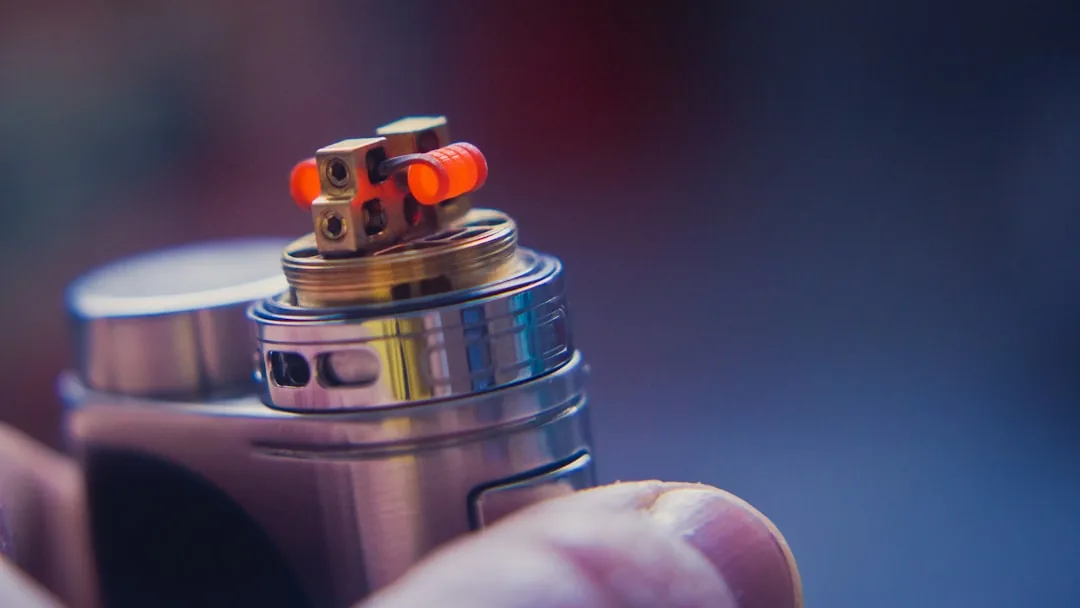
Older coils used a wire wrapped into a spiral around a cotton wick. Mesh coils replace that spiral with a perforated metal strip, giving a larger and more even heating surface against the cotton.
The practical differences are consistent enough to state plainly. Mesh heats faster, spreads the heat more evenly, gives a cleaner flavour and tends to last a little longer before the cotton degrades. That is why almost every pod kit and tank sold in the UK in 2026 uses mesh, and why the older wound coils survive mainly on legacy devices.
Within mesh there is still variation. Some manufacturers publish a recommended power range printed on the coil itself, and that range is the figure to follow rather than any number found in an article, since it is specific to that coil and that wicking. We do not publish power settings presented as correct or safe for a given resistance, because they belong to the component in your hand.
Compatibility is device specific, not universal
This trips up more UK vapers than the ohm question. Coil fittings are proprietary. A vape coil made for one manufacturer's pod does not fit another's, and even within a single brand a new device generation frequently changes the format while keeping a similar name.
Check the exact reference printed on the packet against your device before ordering, particularly when buying online where similar names sit next to each other in a listing. Our roundup of essential vape accessories makes the case for keeping several of the right reference in reserve rather than discovering the mismatch on a Sunday evening.
Some devices sell coils as complete pods rather than separate parts, which removes the compatibility question but ties you to that manufacturer's range for the life of the kit.
Counterfeits are the other compatibility trap, and they are common enough in online marketplaces to be worth a paragraph. A fake coil in genuine looking packaging typically fails within days, tastes wrong from the first fill and occasionally reads as the wrong resistance on the device. Buying from established UK retailers, checking any authenticity code the manufacturer prints on the box, and treating an unusually cheap multipack with suspicion covers almost all of it.
Making a vape coil last
Average lifespan sits somewhere between one and two weeks for most UK vapers, and the variation around that average is mostly self inflicted.
Priming is the single biggest factor. Before installing a new vape coil, put a few drops of liquid directly onto the exposed cotton, fill the pod or tank, then leave it standing for several minutes before the first draw. Skipping that step is how a coil dies on day one, and no amount of careful use afterwards recovers it.
Liquid choice comes second. Heavily sweetened dessert, candy and custard flavours caramelise on the coil and shorten its life considerably, while fruit and menthol profiles are gentler. Our selection of fruit e-liquids leans on profiles that behave well with mesh for exactly that reason.
The warning signs are easy to read once you know them: a flat or scorched taste, less vapour than usual, and gurgling that was not there before. Gurgling on its own often means flooding rather than a dead coil, and a gentle blow through the mouthpiece into a tissue usually clears it.
Matching the coil to your daily use
If you vape mouth to lung and get through a modest amount of liquid each day, stay in the higher resistance family and pair it with a strength that suits you within the UK limit of 20 mg/ml. If you vape direct lung from a tank, expect liquid consumption to rise sharply and plan the budget accordingly, which our breakdown of what vaping costs sets out in detail.
Anyone unsure which camp they are in should start tight. A tighter draw with a higher resistance vape coil is easier to adjust upward later, cheaper to run, and far more forgiving of a liquid strength that turns out to be slightly too high.
FAQ
Can I clean and reuse a vape coil? No. Coils for pods and tanks are sealed consumables with cotton inside, and rinsing them removes flavour without restoring performance. Only rebuildable atomisers, where you install the wire and cotton yourself, are designed to be serviced.
Why does a new coil taste odd for the first few puffs? A faint cotton note is normal on a fresh coil and clears within a few minutes of use. A harsh burnt taste is different and usually means the coil was not primed or was fired before the cotton had saturated.
Do I need a new coil when I change flavour? Not necessarily. Expect the previous flavour to linger for a tank or two. For a sharp change, such as menthol to tobacco, fitting a fresh coil gives a cleaner result.
Why is my coil crackling? A light crackle is the sound of liquid vaporising and is entirely normal. A loud, wet, persistent crackle points to flooding, which is usually cured by clearing the excess rather than replacing anything.
Do sub ohm coils drain the battery faster? Yes, substantially. Lower resistance draws more current for every second of use, which is why sub ohm devices are built around larger batteries or removable cells rather than compact pod batteries.
Choosing well and then leaving it alone
Picking a vape coil comes down to three decisions taken in order: the draw style you want, the resistance family that delivers it, and the exact reference your device accepts. Everything after that is maintenance rather than choice.
Prime every new vape coil properly, keep a few spares of the correct reference in the drawer, and accept that sweet liquids cost you coil life in exchange for the flavour you enjoy. Do that consistently and the vape coil stops being the part of your setup you think about, which is exactly what a good one should do. For cell handling on mods that take removable batteries, our 21700 and 18650 comparison covers the safety side.
Content for adults aged 18 or over. Vaping products containing nicotine are addictive. This article is editorial and is not a purchase recommendation.