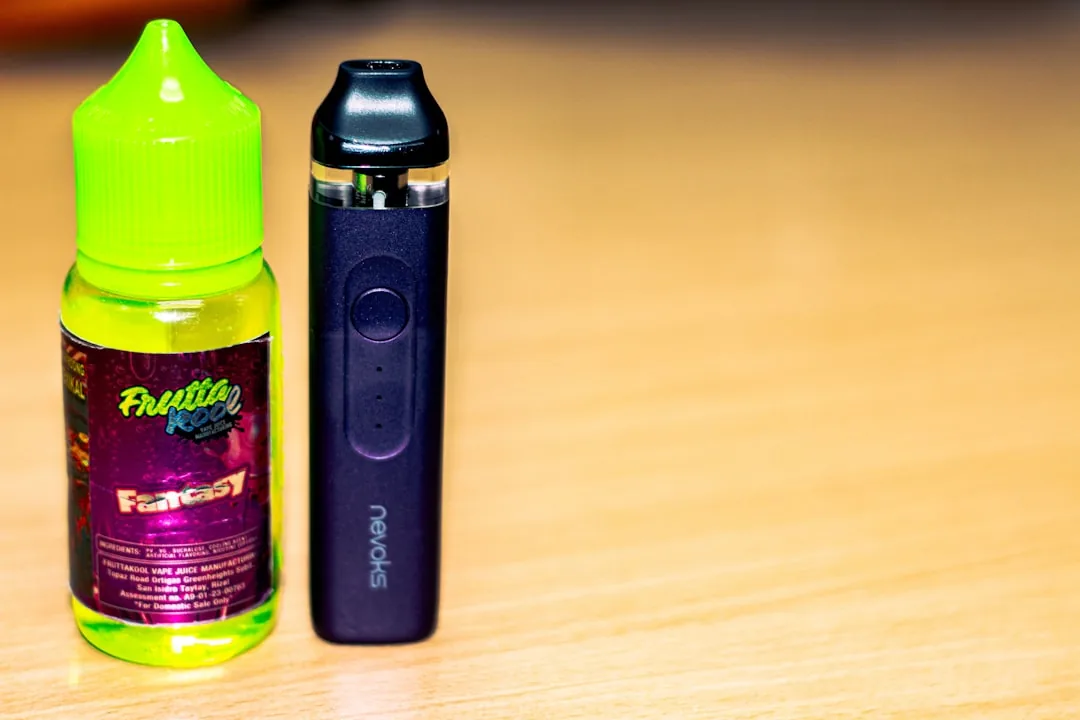
The cost of vaping is one of the first things adults ask about when they look at a British vape shop window, and it is also one of the least honestly answered. Manufacturer messaging leans on the cheapest possible scenario, forum threads lean on the most expensive, and the useful answer sits in between and depends almost entirely on how you vape rather than what you bought. This guide breaks the cost of vaping into its actual components so you can work out your own figure.
What the cost of vaping is actually made of
Only two items recur every single month for most UK vapers: e-liquid and coils. Everything else is either a one off purchase or an occasional replacement, which is why any credible estimate starts by measuring those two.
E-liquid consumption is the larger of the two and the one people underestimate. It is driven by the device, the coil resistance and the airflow far more than by willpower. A tight mouth to lung pod running a higher resistance coil consumes a fraction of what an open airflow sub ohm tank gets through in the same day, and the gap between the two is easily a multiple rather than a few percent.
Coil consumption follows a similar logic. A coil in a pod kit typically lasts one to two weeks in ordinary use, and sweetened dessert or candy style liquids shorten that noticeably by gumming up the wicking. Our guide to choosing a vape coil explains which coil families last longest for which style.
To measure your own cost of vaping properly, track two numbers over a fortnight: how many 10 ml bottles you finish and how many coils you replace. Multiply out, and you have a figure that is yours rather than an average.
The one off costs and where they land
The starting outlay is the only point at which vaping costs more than the equivalent period of smoking, and it is a single event rather than a recurring line. A refillable pod kit is the least expensive entry point. A mod with a tank, removable cells and an external charger sits considerably higher, mostly because of the accessories rather than the mod itself.
Hardware also lasts longer than most people expect. A well treated pod kit generally serves for many months to a couple of years before the battery capacity drops enough to matter, and a mod with replaceable cells can outlive several tanks. The devices that fail early are usually the ones that were dropped, left in a hot car or charged with whatever cable was nearest.
The collecting habit is the real budget risk. Plenty of experienced vapers own several devices when one covers everything they do, because new releases arrive monthly and limited editions are designed to be tempting. This is the single largest avoidable component of the cost of vaping, and it appears in no comparison table anywhere.
The cost of vaping in the UK: what changes in 2026
Two regulatory shifts shape British vaping economics right now, and both are worth understanding before you plan a budget.
Single use disposable vapes have been illegal to sell or supply anywhere in the UK since 1 June 2025, which removed the most expensive way to vape by a wide margin from the legal market. Refillable and rechargeable pod kits took their place, and they are cheaper to run by design because you buy liquid rather than a whole device each time.
The second change is the Vaping Products Duty, which applies to vaping liquid in the UK from 1 October 2026 and is collected in the same way as other excise duties. It affects the liquid you buy, not the hardware, and it applies to nicotine free liquid as well as nicotine containing liquid. Anyone estimating a long term cost of vaping should assume the liquid component of their budget is the part exposed to it.
The hidden costs nobody puts in a table
Three items sit outside every published comparison of the cost of vaping and all three are real.
The first is waste. Liquid bought on impulse and never finished, coils bought for a device you no longer use, and pods that dried out in a drawer all count against the budget even though they never reach a spreadsheet. Buying flavours you have already tested is the cure, and it is the single easiest saving available to most vapers.
The second is replacement caused by damage. Devices dropped on tiled floors, cracked tank glass and cables chewed by a charger port that was never designed for daily insertion all add up over a year. A case and a spare cable cost very little against the hardware they protect.
The third is the wrong device. Running a high output setup when a tight pod would suit your style multiplies liquid consumption for no benefit you actually want, and that difference dwarfs anything you might save by shopping carefully. Getting the device right, which our guide on choosing a vape coil approaches from the coil side, is worth more than any discount code.
Mixing your own and other ways to bring the total down
Mixing at home is the largest single reduction available on the recurring side. Buying base, concentrates and nicotine shots separately and making your own liquid divides the liquid part of the budget substantially, at the price of some time, some care and some storage. Our DIY e-liquid guide covers the method and the handling rules.
Shortfills are the middle ground and by far the most common approach in the UK. A larger bottle of nicotine free liquid plus a nicotine shot lands cheaper per millilitre than buying equivalent volume in 10 ml bottles, while requiring nothing more than a shake.
Beyond that, the habits are unglamorous and effective. Buy coils in multipacks rather than singly. Prime every new coil properly so it does not die in a day. Keep to a device that suits your style rather than one that runs through liquid faster than you want. And choose an open pod system rather than a closed one, because prefilled cartridges carry a permanent premium per millilitre.
FAQ
Is vaping cheaper than smoking in the UK? For an adult who has fully switched, the recurring outlay is several times lower than the equivalent cigarette consumption at current British tobacco prices, even before any mixing or bulk buying. The starting purchase is the only period where that does not hold.
What is the cheapest way to vape legally in the UK? A refillable pod kit run on shortfills, or on home mixed liquid once you are comfortable with it. Disposables are no longer a legal option and were never the cheap one.
Will the 2026 duty change my monthly total? It applies to liquid from 1 October 2026, so the liquid line of your budget is the part affected. Hardware, coils and accessories sit outside it.
How long does a pod kit last before it needs replacing? Commonly a year or more with sensible charging and storage. Batteries lose capacity gradually rather than failing suddenly, so the usual sign is a day that no longer reaches the evening.
Does mixing my own liquid really pay off? On the liquid component, yes, and quickly, because concentrates and base are bought in volume. It pays off less if you mix rarely or buy a large stock of concentrates you never use.
Working out your own number
There is no single national figure for the cost of vaping, and any article that gives you one has quietly assumed a device, a style and a consumption level that may have nothing to do with yours. What exists instead is a structure: liquid and coils every month, hardware occasionally, accessories rarely, and a collecting temptation that can dwarf all three.
Measure your own consumption over a fortnight, decide whether shortfills or home mixing suit you, and account for the duty arriving on liquid in October 2026. Do that and the cost of vaping becomes a number you control rather than a claim you have to take on trust. Our breakdown of essential vape accessories covers the occasional purchases that sit around that monthly core.
Content for adults aged 18 or over. Vaping products containing nicotine are addictive. This article is editorial and is not a purchase recommendation.