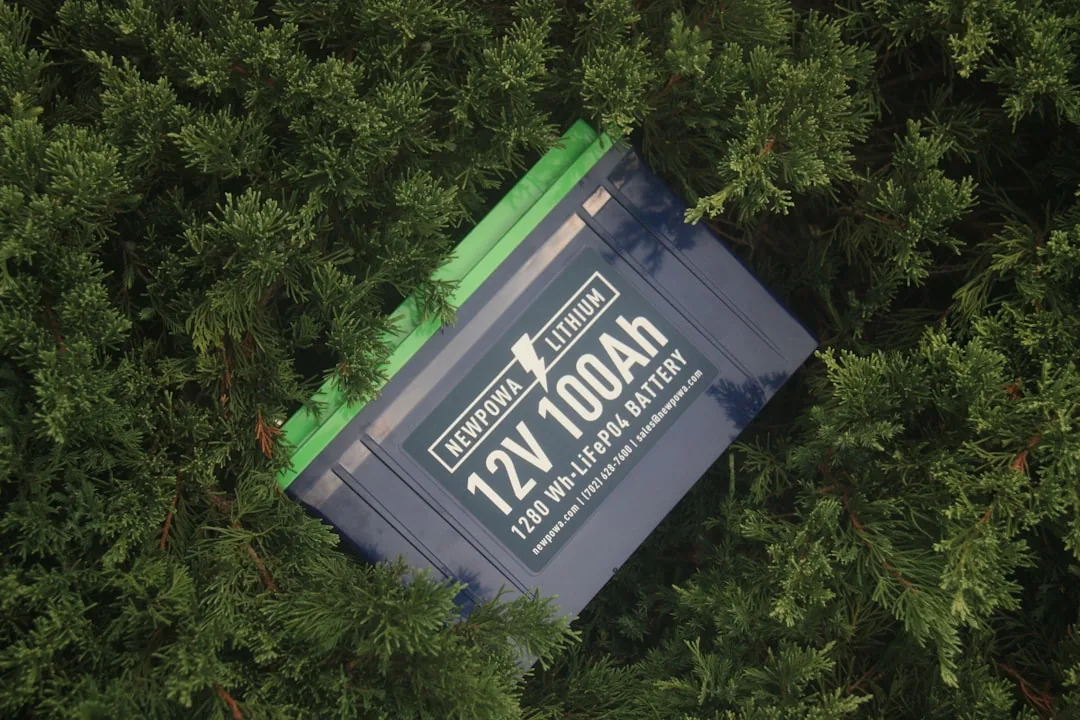
The 21700 vs 18650 question comes up the moment a UK vaper moves from a pod kit to a mod with removable cells. Both formats dominate the shelves at British vape shops, they look similar to a newcomer, and the differences between them are real enough to change which mod you should buy. This comparison sets out what separates the two, and, more importantly, how to read the specification of any individual cell rather than trusting a category.
21700 vs 18650: what separates the two formats
The names describe the dimensions. An 18650 cell measures 18 mm across and 65 mm long. A 21700 measures 21 mm across and 70 mm long. That modest increase in diameter matters more than it looks, because internal volume rises with the square of the radius, which is where the extra capacity comes from.
In practice the 21700 format offers noticeably more capacity than a comparable 18650, which translates into longer runtime between charges at the same usage. It also means a bulkier mod. A single 21700 device is usually easier to carry than a dual 18650 device offering similar runtime, which is one of the main reasons single cell mods became popular in the first place.
The trade goes the other way on availability. The 18650 format has been the standard for far longer, so the range of mods, adapters and known reference cells around it remains wider, and plenty of British vapers already own several.
Runtime, headroom and why we publish no figures
This is where the 21700 vs 18650 discussion usually goes wrong online. Articles quote a discharge rating for one named cell and readers apply it to every cell of that size, which is exactly the mistake that leads to trouble.
We do not publish build values, continuous discharge figures or wattages presented as safe. Those numbers describe one specific cell from one specific manufacturer, and the only valid source for them is that manufacturer's own datasheet.
The method is straightforward. Identify the exact brand and full reference printed on the cell, not the retailer's marketing name. Find the datasheet published by the cell manufacturer rather than the listing you bought from. Two figures matter: the capacity in milliamp hours and the maximum continuous discharge rating, often abbreviated to CDR. Generic rewrapped cells routinely advertise capacities and currents that the cell inside cannot sustain, and a wrap printed with an impressive number is not evidence of anything.
You then compare that discharge rating against the current your setup will actually draw, which depends on the resistance installed and the working voltage. Our guide on choosing a vape coil walks through the reasoning behind resistance values. The general principle in the 21700 vs 18650 comparison is that the larger format generally leaves more headroom between what a setup demands and what the cell can supply, but that headroom still has to be verified cell by cell.
Safety habits that apply to both formats
Buy cells from established manufacturers through UK retailers who can tell you what they are actually selling. Unbranded or rewrapped cells are the single biggest source of unpleasant surprises, because the cell inside the wrap is unknown.
Inspect the wrap regularly. A nick, a tear or a peeling edge exposes the metal casing, which can create a short circuit against anything conductive. Replacement wraps cost almost nothing at any vape shop, and a cell whose wrap cannot be restored properly should be recycled rather than used.
Cells travel in a rigid case, always, never loose in a pocket or bag alongside keys and coins. When a mod takes two cells, buy them as a matched pair, keep that pair together for their entire life and charge them together. Charging on an external charger designed for the format is preferable to charging through the mod, and it is one of the accessories worth owning as soon as you move to removable cells.
Batteries and vape devices should not go into household waste anywhere in the UK. Vape shops and household waste recycling centres take them, and separating them from general refuse avoids fires in collection vehicles.
Charging habits that extend cell life
How a cell is charged matters as much as how it is used, and the habits are easy. Charge at a moderate rate rather than the fastest one the charger offers, because heat is what ages a lithium cell fastest. Charge on a hard surface away from soft furnishings, and stay in the building while it happens rather than leaving cells charging overnight.
Storage matters too, and it is where most people slip. A cell left completely flat for weeks degrades faster than one stored partly charged, so a spare that is going in a drawer for a month should go in with a partial charge rather than empty or full. Cold is fine, heat is not, and a car glovebox in summer is the worst place in most people's lives to leave one.
Finally, retire cells on evidence rather than on a calendar. A cell that heats noticeably during ordinary use, that has visibly lost runtime against its pair, that has been dropped hard or whose wrap cannot be restored is finished, whatever its age. UK vape shops and household waste recycling centres accept them, and neither cells nor devices belong in general refuse, where they cause fires in collection vehicles.
21700 vs 18650: which format suits your setup
If you vape at higher power daily and want a single cell mod that lasts a full day, the 21700 format is the sensible default and most recent mods are built around it. If you use a pod kit, the question does not arise at all, because the battery is built in and not user replaceable.
If you already own several 18650 cells and a mod that takes them, there is no technical reason to replace everything. The format remains perfectly capable for moderate use, and many current mods still ship with a sleeve adapter so the same body accepts either size. Check that adapter is included before assuming your next mod will take the cells in your drawer.
FAQ
Can I use an 18650 in a mod designed for 21700? Usually yes, when the manufacturer supplies a sleeve adapter, and many recent mods include one in the box. Without a proper adapter the cell cannot seat correctly and should not be forced.
How long does a cell last before it needs replacing? Lithium ion cells lose capacity gradually over a few hundred full cycles. A cell that has been dropped, has a damaged wrap or gets noticeably warm in normal use should be retired regardless of its age.
Do I need to fully discharge a cell before charging it? No. Lithium ion cells have no memory effect, so partial charges are fine and are generally gentler on the cell than running it flat every time.
Can I charge through the mod's USB port? Many mods allow it, but an external charger is the better routine. It charges each cell independently, gives you a reason to inspect the wrap and spares the mod's port.
Do 21700 cells cost more than 18650 cells? Slightly, at any given brand and quality level, and the difference is small relative to the extra runtime. Price is a poor guide here anyway, since the cheapest listings are usually the ones with the least verifiable specification.
The short answer before you buy
Framed as 21700 vs 18650, the comparison has a fairly clear conclusion for 2026. The larger format gives more runtime and more headroom in a single cell body, the smaller one gives a slimmer mod and a deep pool of existing hardware, and neither is unsafe when the cell itself is known and handled properly.
What decides the outcome is not the format but the individual cell. Read the manufacturer datasheet, keep the wrap intact, carry cells in a case and charge them on suitable equipment, and the 21700 vs 18650 choice becomes a question of ergonomics rather than risk. If you are still choosing a device, our comparison of open and closed pod systems covers the step before this one.
Content for adults aged 18 or over. Vaping products containing nicotine are addictive. This article is editorial and is not a purchase recommendation.
Read next
Voopoo Drag S3 review, the spec sheet checked against published tests
The Voopoo Drag S3 checked source by source, from its 3000 mAh battery and 60 W ceiling to the 2 ml UK kit and the flaws reviewers keep flagging.
Thelema Solo: Lost Vape's single cell mod examined
The Thelema Solo from Lost Vape: Quest 2.0 chipset, five vaping modes, removable cell, 26 mm compatibility and how it differs from the 100 Pro.