Open pod vs closed pod: which system suits you
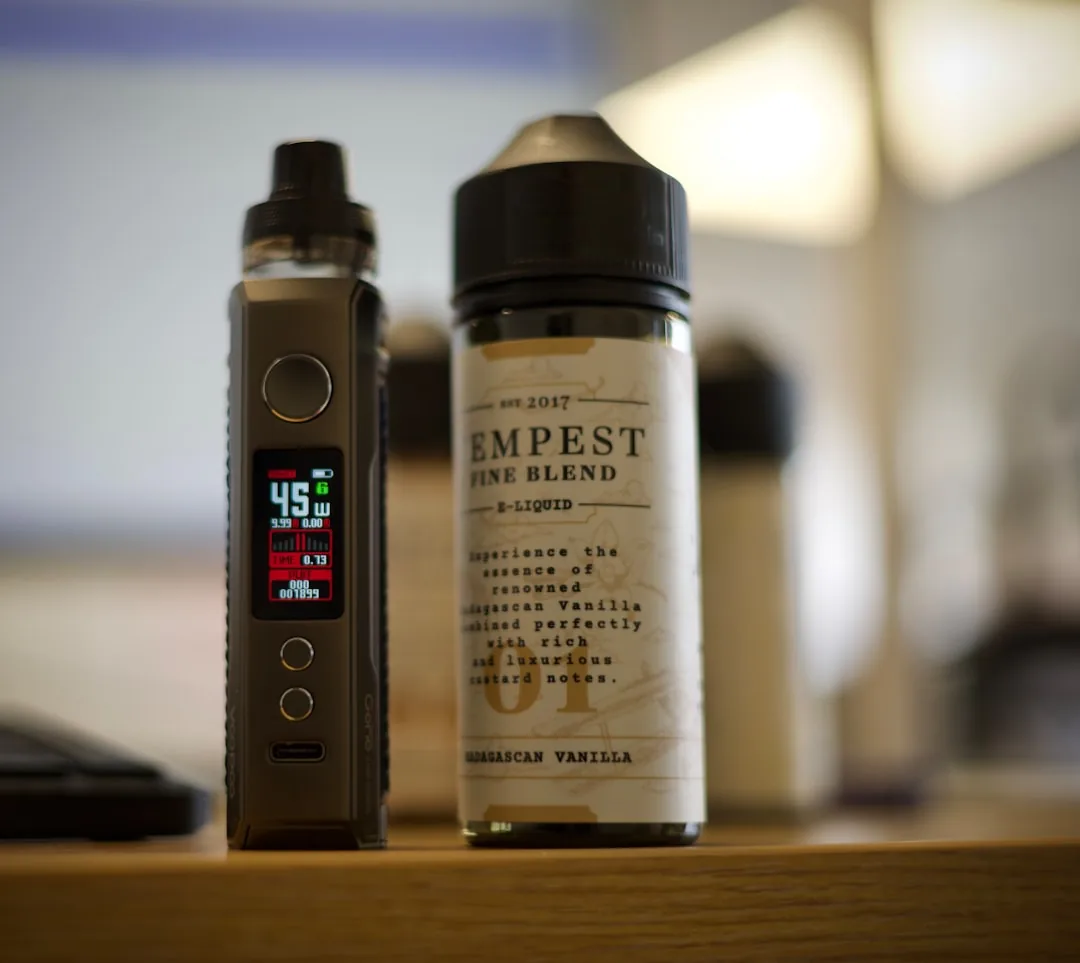
Open pod vs closed pod is the first real decision a new UK vaper faces, and it is usually made by whichever device happened to be on the counter. The two formats look almost identical from the outside and behave completely differently in daily use, so getting the open pod vs closed pod question right at the start saves a good deal of money and frustration later. This guide sets out what actually separates them in the British market of 2026.
The mechanical difference in one paragraph
A closed pod system uses prefilled cartridges sealed by the manufacturer. You click one in, vape it until the flavour fades, then discard the whole cartridge and click in another. There is nothing to fill, nothing to choose and nothing to maintain.
An open pod system uses a refillable cartridge with a fill port. You buy e-liquid in a bottle, top the pod up when it empties, and replace only the coil or the pod itself when performance drops off. That single difference in the fill port drives every other distinction below.
Both are legal across the UK and both must meet the same limits: a maximum tank or cartridge capacity of 2 ml, a maximum nicotine strength of 20 mg/ml, sold only to adults aged 18 or over. Where the open pod vs closed pod comparison bites is what happens after the purchase.
Open pod vs closed pod: running cost over a year
The financial gap is the largest single argument in the open pod vs closed pod debate, and it is not close. Prefilled cartridges carry the cost of the pod hardware, the coil and the packaging in every single unit, and you buy several every week.
An open system moves that cost structure entirely. You buy liquid by the bottle, which in the UK means 10 ml bottles at up to 20 mg/ml or larger nicotine free shortfills with a shot added, and you replace a coil roughly every week or two rather than a full cartridge every couple of days. Our breakdown of what vaping costs sets out how those two patterns compound over a year.
The counter argument is real but narrow. A closed system has no learning curve and no ongoing decisions, and for someone who values that above the recurring cost, it is a defensible choice.
Flavour range and quality
Closed systems limit you to the manufacturer's catalogue, which in practice means a handful of profiles per brand: a tobacco, a menthol, one or two berries and a mango. The quality is usually perfectly acceptable, because the liquid and the coil were designed for each other, but the ceiling is low and the variety is fixed.
Open systems open the entire British e-liquid market to a single device. Every shortfill, every nicotine salt, every small UK manufacturer becomes available, and our selection of fruit e-liquids is only a starting point in a category that runs to thousands of options.
Open pods also tend to deliver better flavour on modern mesh coils, since the coil is sized for a refillable chamber rather than for a disposable cartridge built to a price. Our guide on choosing a vape coil explains what the resistance printed on the pod tells you.
What changed after the 2025 disposables ban
Any open pod vs closed pod discussion written before mid 2025 is out of date, because single use disposable vapes became illegal to sell or supply anywhere in the UK on 1 June 2025. The ban covers all single use devices, whether or not they contain nicotine.
What replaced them is a generation of compact rechargeable kits, many with prefilled cartridges, that keep the disposable form factor while making the battery rechargeable and the pod replaceable. These are closed systems in the sense used here, and they inherit the same economics: convenient, and consistently more expensive per millilitre than a refillable device.
For anyone who used disposables before the ban, the honest advice is that a refillable pod is the closest replacement in terms of running cost and the furthest in terms of habit. The adjustment lasts about a week.
Open pod vs closed pod: which to buy first
For a first purchase, an entry level open pod kit is the more sensible default in almost every case. It costs little more than a couple of prefilled cartridge packs, it pays for itself within the first month, and it gives access to the whole liquid market rather than one catalogue.
Closed systems earn their place in specific situations: as a spare device kept in a bag, for someone who genuinely will not refill anything, or as a short trial before committing. Recent open pod kits have narrowed the convenience gap considerably, since filling a modern pod takes a few seconds through a side port and requires no tools at all.
Maintenance, or the lack of it
The other half of the open pod vs closed pod comparison is what each format asks of you week to week, and it is less than people expect on both sides.
A closed system asks for nothing beyond charging and swapping a cartridge. An open system adds two tasks: filling the pod, which takes seconds, and replacing a coil or pod every week or two, which takes about a minute and involves priming the new one before use. Neither requires tools, knowledge or a workbench.
Where open systems do ask for a little attention is cleaning. Condensation collects in the airflow path of any pod device, and a cotton bud around the pod well every couple of weeks prevents the gurgling that people mistake for a fault. Closed systems avoid this simply because the whole cartridge is replaced often enough that residue never builds.
The realistic summary is that an open system costs about five minutes of attention a fortnight. That is the whole of the learning curve people worry about before they buy.
FAQ
Is a closed pod safer than an open pod? No. Both formats meet the same UK product requirements. The difference is how the liquid gets into the cartridge, not the safety of the device.
Is it hard to move from a closed system to an open one? No. The two skills involved are filling the pod through its port and replacing the coil when the flavour drops. Both take a minute to learn.
What nicotine strength should I choose with an open pod? Adults switching from cigarettes commonly start towards the higher end of the UK maximum of 20 mg/ml in salt form and adjust downward from there once the device suits them.
Are prefilled pod systems still legal in the UK? Yes. The 2025 ban applies to single use disposable devices. Rechargeable devices using replaceable prefilled cartridges remain on sale.
How long does a coil last in an open pod? Usually one to two weeks depending on how much you vape and how sweet your liquid is. Heavily sweetened profiles shorten that noticeably.
The verdict for UK vapers in 2026
Set out plainly, the open pod vs closed pod comparison resolves in one direction for most people. Open systems cost less to run, give access to the entire British liquid market, deliver better flavour on current coils and require about ten minutes of learning in total.
Closed systems remain a reasonable answer to one specific question, which is how to vape with no decisions at all, and they are a perfectly sensible backup device. Just be clear that the convenience is bought every week rather than once. If you are assembling a first setup, our list of essential vape accessories covers what belongs alongside whichever side of the open pod vs closed pod split you land on.
Content for adults aged 18 or over. Vaping products containing nicotine are addictive. This article is editorial and is not a purchase recommendation.
Read next

blu vape review: the current range put to the test
Our blu vape review of the current UK range: blu 2.0, blu Bar Kit and blu Box Kit, their pod ecosystems, battery capacities and where each one fits.
Vaporesso XROS 4 review: a compact pod that delivers
Our Vaporesso XROS 4 review after two weeks: 1000 mAh battery, 2 ml UK pods, adjustable airflow, flavour quality and who the device actually suits.