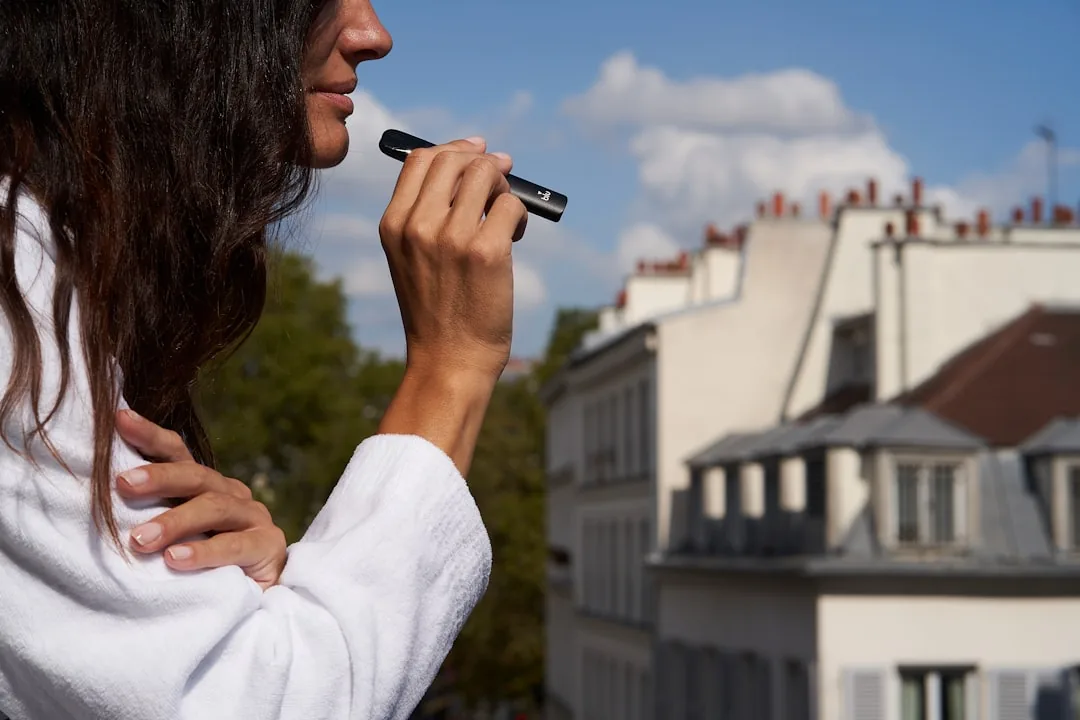
CBD e-liquid occupies an odd corner of the British vape market. It sits on the same shelves as nicotine liquid, it uses the same hardware, and it is governed by an entirely different set of rules. Buyers arrive with questions the packaging is legally not allowed to answer, and leave with a bottle they cannot easily evaluate. This guide covers what CBD e-liquid is made of, how to read a label and which devices suit it, without telling you what it will do for you.
What is actually in a CBD e-liquid bottle
A CBD e-liquid is built like any other e-liquid: a base of propylene glycol and vegetable glycerine, food grade flavourings, and in this case a cannabidiol extract in place of nicotine. That formulation point matters more than anything else on this page, because CBD oils sold for oral use are carrier oils and must never go into a vaping device.
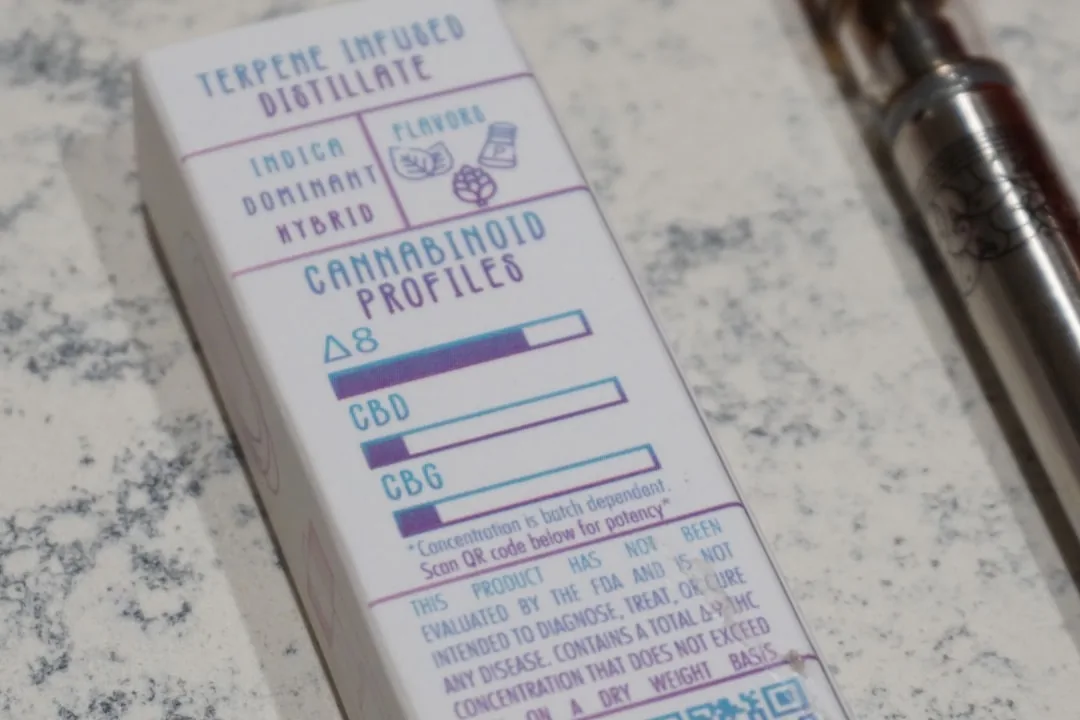
Strength is stated in milligrams of CBD per bottle rather than per millilitre, which is the opposite of how nicotine liquid is labelled and a frequent source of confusion. A bottle stating a total in milligrams tells you nothing until you divide by its volume, so two products can advertise very different headline numbers while being closer than they look.
British bottles of CBD e-liquid are usually sold nicotine free. Adding nicotine pulls a product into the MHRA notification system and the full set of UK vaping limits, so most CBD brands stay clear of it and let buyers mix if they want to. Our overview of CBD vape law in the UK explains why that line exists.
Isolate, broad spectrum and full spectrum
Three terms dominate the category and they describe how much of the original plant extract survived processing.
Isolate contains cannabidiol on its own, purified away from everything else. It is the simplest option to assess, since a certificate should show CBD and essentially nothing beside it, and it carries no plant flavour of its own.
Broad spectrum keeps a wider range of cannabinoids and often terpenes while removing tetrahydrocannabinol. Full spectrum keeps the profile as complete as processing allows, which is precisely why it is the category where UK buyers need to read the batch certificate most carefully, given that controlled cannabinoids are the part of the composition British law is concerned with.
We make no claims about what any of these categories does. That is not editorial caution alone: medicinal and health claims about CBD products are prohibited in the UK, and any seller making them is telling you about their compliance rather than their product.
Choosing hardware for CBD e-liquid
Hardware choice is where practical advice is genuinely useful. CBD e-liquid works best in a device built for a tighter mouth to lung draw, running a coil above one ohm and a base weighted towards propylene glycol, typically a balanced fifty fifty.
High power sub ohm setups are the wrong tool. They move a great deal of liquid per session, run far hotter, and offer no advantage for a liquid whose active ingredient is expensive per millilitre. A compact refillable pod such as the Vaporesso XROS 4 is the sort of device the category is designed around, and our guide on choosing a vape coil covers how to read the resistance printed on a pod.
Keeping a dedicated pod or coil for CBD e-liquid is worth the small cost. Flavours mingle otherwise, and the residue from a heavily sweetened nicotine liquid will muddy anything you put in afterwards.
Reading a certificate of analysis
The certificate of analysis is the only part of a CBD purchase that carries hard information, and most buyers never look at one. Three checks separate a serious product from a hopeful one.
Check that the certificate names the specific batch printed on your bottle, not the brand or an older production run. Check that the cannabinoid profile is reported in full, so you can see what is present rather than only the headline CBD figure. Check that the laboratory is independent of the seller and that the document carries a date recent enough to correspond to a product still on sale.
Beyond the certificate, judge the seller on the ordinary signals: a UK business address, clear ingredient lists, age verification at checkout for eighteen and over, and answers to questions about extraction and sourcing that go beyond marketing language.
Why comparable bottles are not comparable
Two bottles of CBD e-liquid with similar headline figures can sit at opposite ends of a shop's range, and the reasons are worth understanding even though we publish no figures.
Extraction method accounts for much of it. Producing a clean isolate or a broad spectrum extract with controlled cannabinoids removed takes more processing than a crude extract, and that processing appears in the finished product. Batch testing costs money too, and a brand testing every production run carries an expense that a brand testing once a year does not.
The rest is packaging and positioning. A bottle sold on branding rather than on a certificate is charging for the branding, which is a legitimate commercial choice and a poor basis for a purchase. The useful comparison is always per millilitre of CBD after you have divided the headline figure by the volume, and against a certificate you have actually opened.
Storage and everyday handling
CBD e-liquid degrades with light and heat like any other liquid, so it belongs in a cool cupboard rather than a car door or a sunny windowsill. Amber or opaque bottles are the norm for exactly that reason.
Mixing CBD e-liquid into a nicotine liquid is technically possible and reasonably common, though it changes both strengths at once and makes the result harder to judge. If you do it, do it in small quantities and write down the ratio. Our DIY mixing guide covers the arithmetic and the labelling habits that keep this from becoming guesswork.
FAQ
Is CBD e-liquid legal to buy in the UK? Yes. Cannabidiol is not a controlled substance in the UK and CBD e-liquid is sold openly, subject to the rules on controlled cannabinoids in the finished product and to sale only to adults aged 18 or over.
Can I put CBD oil in my vape instead? No. CBD oils sold for oral use are formulated with carrier oils that are not intended for inhalation. Only liquid explicitly sold as CBD e-liquid, with a propylene glycol and vegetable glycerine base, belongs in a vaping device.
How do I compare strengths between brands? Divide the total milligrams by the bottle volume to get a per millilitre figure, then compare like with like. Headline totals on different bottle sizes are not comparable as printed.
Can I mix CBD e-liquid with my usual nicotine liquid? It is possible and often done. Keep the batches small, note the ratio you used, and remember that you are diluting both components at the same time.
Why will the shop not tell me what it does? Because UK rules prohibit medicinal and health claims about CBD products. A compliant retailer will discuss extraction, testing and formulation and stop there.
Buying with your eyes open
A good CBD e-liquid purchase in the UK comes down to a small number of verifiable things: an inhalation appropriate formulation, a strength you have converted to a per millilitre figure, a batch specific certificate from an independent laboratory, and a seller who behaves like a regulated business.
Match that bottle to a mouth to lung device with a higher resistance coil, store it away from light and heat, and keep a separate pod for it. Everything else you will read about CBD e-liquid online falls into a category no British retailer is allowed to discuss, and treating that silence as a compliance signal rather than a gap is the most useful habit a buyer can develop. Our summary of CBD vape law sets out the framework behind it.
Content for adults aged 18 or over. Vaping products containing nicotine are addictive. This article is editorial and is not medical advice or a purchase recommendation.